Global Sourcing: How It Can Help Your Business and How Benefel Can Facilitate it for You?

What is Global Sourcing?

Global sourcing is a means by which international purchases of materials, processes, supplies, and various technologies are procured by an organization as part of a core procurement strategy.

With the demand for goods at an all-time high, the competitiveness among businesses looking to supply that demand is now more than ever.

The costs of materials, intensive local labor contract requirements, the lack of low cost sources and the rising costs for transport of goods have businesses looking for strategies to better their rivals. Many companies now turn to international purchasing strategies that minimize costs and maximize quality for their manufacturing and sourcing needs.

With the right partners, like Benefel, Global Sourcing helps solve the problems local business owners have in establishing a concrete supply source of materials and with procuring the right equipment using the most competitively priced pre-qualified equipment.

With Global sourcing, companies widen their reach, enabling them to work with all the advantages of globalization. Benefel brings together clients and vendors in a world market including local vendors to present innovative options and solutions that are available locally and others that are not available locally.

What are the Benefits of Global Sourcing for Small Businesses?

Small manufacturing businesses have to deal with a great many struggles. They are faced with the need to lower operation costs while increasing and/or maintaining the quality of their products. They often need to compete with other small and larger businesses that are offering similar products or alternatives to their products.

Many companies are forced to lower their prices to levels resulting in low profit margins. This approach to remain competitive is often not sustainable and requires new initiatives for the company to grow and flourish.

At Benefel, we understand these initiatives and have pre-qualified both local and international Global sources for your company to include in its strategic planning.

Benefits that Benefel brings to the table:

  1. Reducing operational expenditure on Machinery and Materials by providing options that have proven their competitive position on a Global Scale
  2. Global competitiveness through networks established with clienteles and dealers all over the world
  3. Increase performance ratings throughout the company with access to technological advancements, innovations and expertise that is only found on a Global scale
  4. Increased competitive advantage over rivals
  5. Refocusing on strategies, core-processes and other company needs that cannot be serviced as effectively/competitively through local sourcing alone
  6. Increased capabilities of utilizing a wider variety of option to meet a clients’ requirements
What are Common Problems with Global Sourcing?

As with all strategies in business, global sourcing also has problems that can come along with an inexperienced approach.

Where business were only using local suppliers there are a myriad of other considerations that come in to play:

  • Knowing what options are out there and finding the one best suited to your operation
  • Qualifying suppliers
  • Confirming the good produced match your order/specification
  • Communicating with Suppliers
  • Dealing with different cultures
  • Handling Problems with machinery or materials supplied from abroad
  • Servicing and Maintaining Equipment
  • Translation of communications and documentation
  • Shipping
  • International Money Transactions and handling them in a safe/secure way
  • IP issues where foreign suppliers breach local patents or trademarks if their goods enter your local market
  • Logistics like lead times and shipping
  • Importation of goods and dealing with customs
How Can Benefel Help?

Benefel has developed sourcing strategies to find reliable, cost-effective overseas suppliers which can meet your demands. Benefel pre-qualifies all its suppliers taking out the “unknown factor”.

Benefel’s supply strategy ALSO incorporates local options as there are many local options that provide a level of innovation and competitiveness that can stand up on a Global stage.

In moving from domestic purchasing to one that also incorporates international purchasing, Benefel takes care of the common problems associated with Global Sourcing to simplify the process of purchasing for you and your business.

We can provide international options with specializations in your field to enhance your business and enable you to give your consumers the best product with a win-win business profits and customer pricing balance. We not only promise that we can lower costs in most cases, we also can provide new paths for you to create new strategies and innovative concepts.

Our sourcing strategy, with a network of trusted suppliers from all over the globe, will supply you with what you need to build and grow your business with Global competitiveness.


What are Stretch Bands?

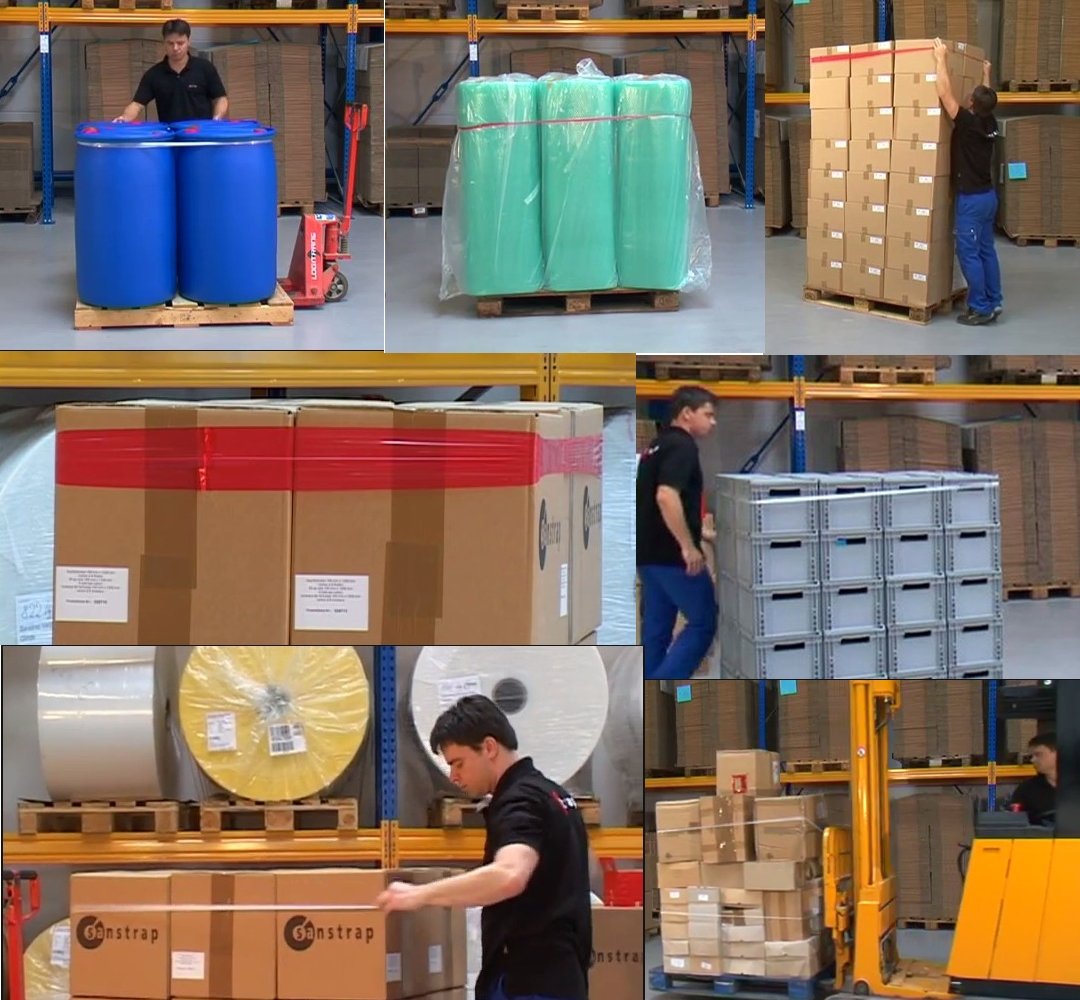
The use of Stretch bands is the new and creative way to securing all kinds of packaged goods. Each PE recyclable film has immense elastic strength that allows excellent pallet stability. They are an effective tool to secure pallet loads, drums and rolls of goods. They can even be used to keep the palletized load steady; should there be a need to move it to the wrapping machine or racking.

Stretch Wrap: Intra Warehouse Transportation?

For Intra warehouse operations, the use of conventional stretch wraps safeguards the integrity of the shipment. Stretch wraps protect the cargo even during storage as it can protect the load when bumping into other cargo.

However, utilizing this method only to transfer goods within the warehouse would mean using a lot of the material per pallet load. For the bigger shipments, it would mean the use of special wrapping machines and strapping tools, thereby adding to expenses, not to mention man power hours.

The Stretch Band Solution

Sanstrap Stretch Bands UsesStretch Bands (also called pallet straps) are secure and cost effective alternative to stretch wraps, adhesive tapes, rubber bands, pack twines, wrapping bands, etc. Before goods are shipped or stored, they are placed on a pallet. Stretch bands ensure that the pallet loads don’t shift especially when being loaded via forklifts to the truck, trailer or for warehouse storage. The securing is imperative to prevent the load from shifting apart and to keep the products from damage.

Stretch bands solve the problem of incurring too much plastic waste. They merely stretch around your pallet load; no need for excessive wrapping around the loads. They have perforated strips which detach from the rolls and can stretch to accommodate the boxes on the pallet. You can apply one high, and one low to secure your load to prevent the excessive shifting of your cargo. Time spent on securing your shipment is also lessened by using this new technology.

Stretch Bands are the present and future of packaging and shipping. Delivery centers can have them on hand to care for the cargo entrusted to them by clients.  And because of their easy application, prepping the cargoes can be done at high speed.

Advantages of Stretch Bands

  • Stretch Bands can hold different types of loads in place without worry of slipping.
  • Easy application means less time for preparing loads.
  • Stretch Bands are environmentally friendly, and because you don’t have to use too much, using them is not wasteful.
  • There is no need for costly machinery.
  • The Pallet Bands’ elasticity and strength are tried and tested.
  • There are a variety of widths, lengths and grades to meet your demands.
  • Stretch Bands are a cheaper alternative to plastic wraps.
  • Stretch Bands are 100% recyclable. Once they are used, they do loose elasticity and it is possible but difficult to reuse a stretch band.
  • They are not adhesive so there is no damage to your packaging.

Sanstrap® is the world leader for the supply of stretch bands. They are simple and effective banding solution for packaging and distributing, stacking and palletizing.

Induction Sealing Statistics – How You Must Get The Right Cap and Lining Material Combinations

This discussion below is an excerpt of a client discussion we have prior to supplying equipment.

We don’t have to do this; we could be like the ebay or Alibaba or “one stop every machine under the sun supplier” but we are not as we like to think of ourselves as a supplier invited to be a part of your team going forward.

The discussion:

“Hi Team,

I can see there is significant concern over the advice  you are receiving about the cap lining material.

The cap lining material specification you sent is the correct “type” of lining material in that it has the correct sealing layer.

We can test seal all the Jars and produce excellent sealing; the sample size is only a dozen or so – this could lead you into a false sense of security if we did not forewarn you the combination of material should have softness in it.

Our knowledge on the matter is significant; beyond most suppliers of induction equipment as we have significant experience in supplying cap lining material to cap manufacturers and even the high ticket equipment that inserts the cap lining material for the cap manufacturers.  See our website: http://www.capliningmaterial.com/

I have personally been involved in the selection of induction sealing materials for projects by multibillion dollar companies including Nestle and I have dealt personally with the world’s top 5  cap lining material manufacturers.

The  advice below stands:

Hand Torque is part of the equation. Though a poorly applied cap ; even when it has soft lining material or a foam backing can result in unsealed products.

The part I am focussing on is cap and bottle tolerances. I am not sure the cap manufacturer will give a cap tolerance for the flatness of their caps to within +/- 0.2mm.

Similarly the bottle/jar manufacturer may not give a height/flatness tolerance to within +/- 0.2mm with respect to the plain of the top lip of the container. From quality manufacturers, most of the caps/jars may fall within this tolerance though there will be a statistical amount that are outside of this; when tolerances add you can get a case where a 0.25mm thick hard liner will not have enough give to make up for the mismatch of the top plane of the jar neck with the underside plane of the cap.  In this case there will be sections of the liner that are not in contact with the jar during the sealing process.

Standard practice is to have some softness behind the liners or very tight control on the capping process and the allowable tolerances on the caps and bottles provided.

For your operations – especially as you are growing it is highly recommended you have either:

a) Softness in one of the layers of the induction lining material

Or

b) A separate foam liner behind the induction liner

Note: for higher volume hand operations we recommend  a cap tightener due to the inevitable human error factor

 “The purchasing decision to focus on here is the caps and the lining material.

  1. If I was an owner in your business I would suggest the following path.

If time is against you – for your initial launch etc- ; go with what you have and perform a 100% test on what you seal before you send it out.  If we are talking about only hundreds of units at a time it is a cumbersome, but, worthwhile task.

First impressions are everything at that stage and a leaking jar of product can be a “game over” at this stage.
Here’s a video of a suggested test that can help you be confident you have a sealed Jar: https://goo.gl/VVFCRK

New Time Trials – Fused liner test and Circumference Seal Test

2.  Going down the track insure you have some softness in your cap/liner combination.”

If your cap supplier can’t do it (maybe because your volumes are too small) you should purchase the caps without liners and source liners from a liner supplier for separate insertion prior to sealing; you will need to source about 10,000 at about 12 cents each (my guess) – We can put you in touch with the supplier to the liners for the  SealerOn gallery I showed you for the Nuts.

We want you to move forward with a sound understanding of how you can reduce the statistical probability of sending out products that could leak.

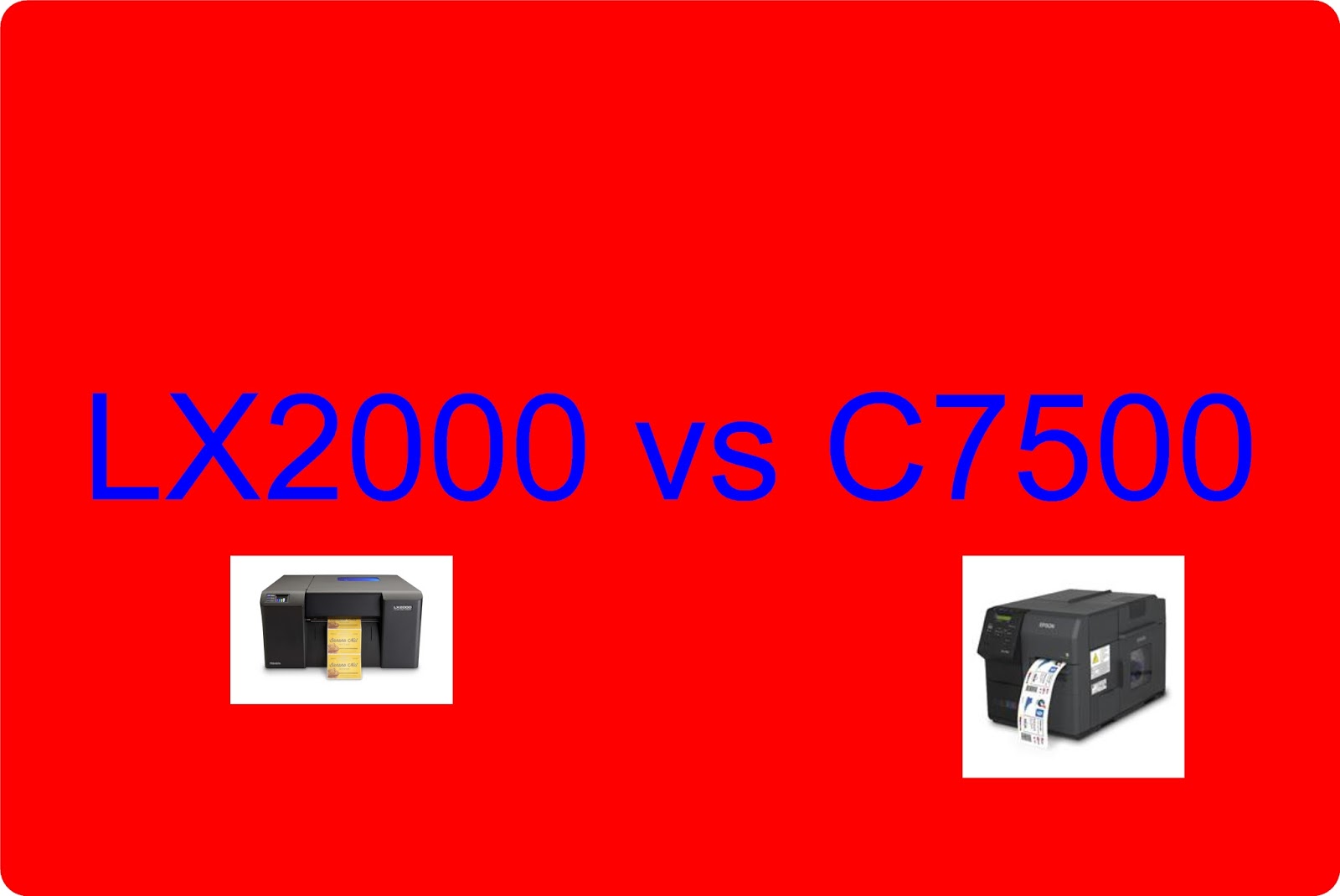
LX2000 vs C7500

Recently, I’ve been asked, “What are the differences between the C7500 and the LX2000?”  Frankly, this question is coming from people who do not want to spend the $8500 or more on the C7500; but want good print quality.  The LX2000 is a lot less expensive and can print up to 8″ wide labels.  In this post, I’ll explain my view of the 10 biggest differences between these two color label printers.


Before I start, you may find my initial post on the LX2000 of interest:

http://colorlabelsondemand.blogspot.com/2015/06/lx2000-full-bleed-color-label-printer.html

On our blog, I found 38 different posts on the C7500.  Here is my first post on this printer:

http://colorlabelsondemand.blogspot.com/2014/09/first-review-tm-c7500-at-label-expo.html

Now the 10 biggest differences between the LX2000 and the C7500

Print Quality:
With a max print resolution of 4800 DPI (https://www.primeralabel.com/lx2000_specs.html), 

the LX2000 can print great looking labels.  At the highest settings, you can produce great lookihng labels.  But with 1200 x 600 resolution

(https://epson.com/For-Work/Printers/Label/ColorWorks-C7500-Inkjet-Label-Printer/p/C31CD84011),  

so can the C7500.  Top is C7500 and bottom is LX2000; both are at the standard settings.  See how the blue in the top of the picture (C7500) is darker, richer.


C7500 (Top) vs LX200 (Bottom) Print Quality Comparison
Ink Cost:
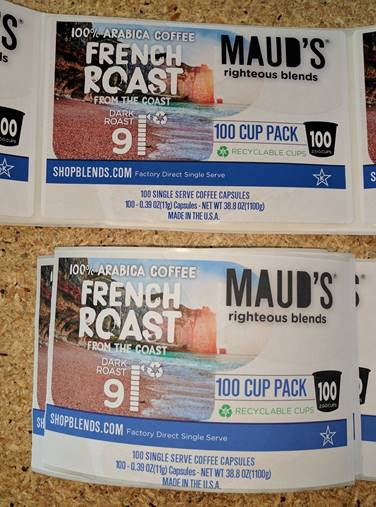
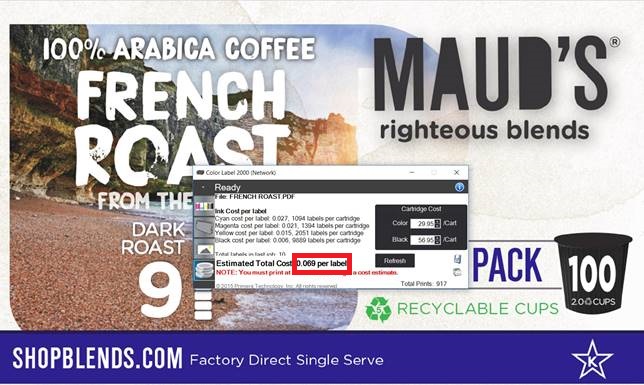
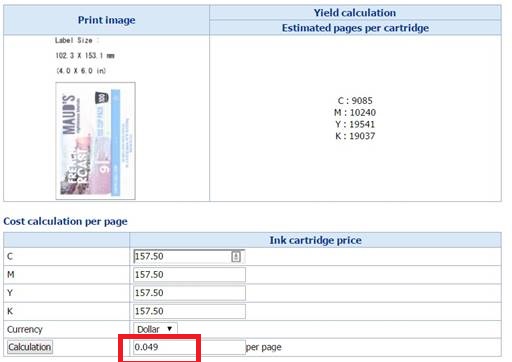
The ink cost in the LX2000 is much higher; but not as much as I expected for this artwork at normal settings.  Using this label artwork, the LX2000 ink cost is estimated at $0.069/label versus $0.049/label for the C7500.  $0.02/label more. These estimates are at normal settings.  To get a higher print quality, many companies would be forced to run the LX2000 at a higher print quality setting.  Therefore, I believe in reality the ink cost difference would be much higher.
LX2000 Ink Cost/Label
LX2000 Ink Cost/ 4″ x 6″ Label
C7500 Ink Cost/Label
C7500 Ink Cost/4″ x 6″ Label

Yield per cartridge.
LX2000 vs C7500 Ink Cartridge Comparison
The LX2000 ink cartridge is much smaller than the C7500.  Therefore, yields are much lower.  In the above example, you would get 1094 labels/LX2000 Cyan cartridge and 9,085/C7500 cartridge.  Almost 9X more.  Magenta and yellow are about the same difference.  Black is only 2X as the black cartridge is larger in the LX2000.
Printhead:
The LX2000 uses consumable printheads.  You’ll need to spend $250+ for a printhead occasionally when printing large volumes.
Speed:
The LX2000 is very slow compared to the C7500.  Watch how long it takes to print one label.  In the video, the printer just finished cutting one label. Overall it took about 5 minutes to print 10 labels for the ink calculation at the normal setting.  At the high print quality setting, the speed would be much slower.


And here is the C7500 printing 10 copies of the same label artwork:


Relatively, the C7500 prints much faster than the LX2000.
Rewind:
The C7500 offers a built in rewinder; the LX2000 does not.  Watch the C7500 print and rewind 100 4” x 6” labels in 1 minute.


Button Push:
The LX2000 uses a series of button pushes that I still don’t understand.  I believe you can get 20+ different actions based on these three buttons.

LX2000 Buttons to Push

Design:
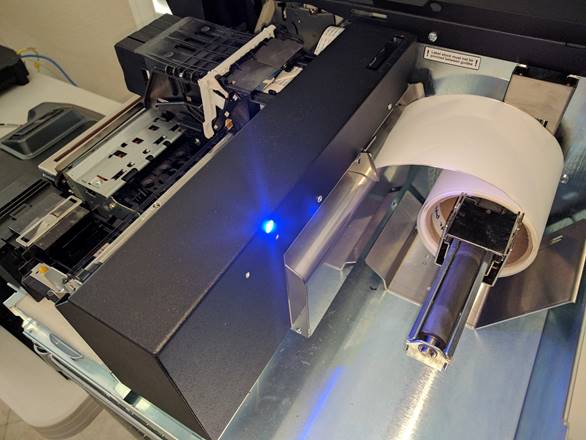
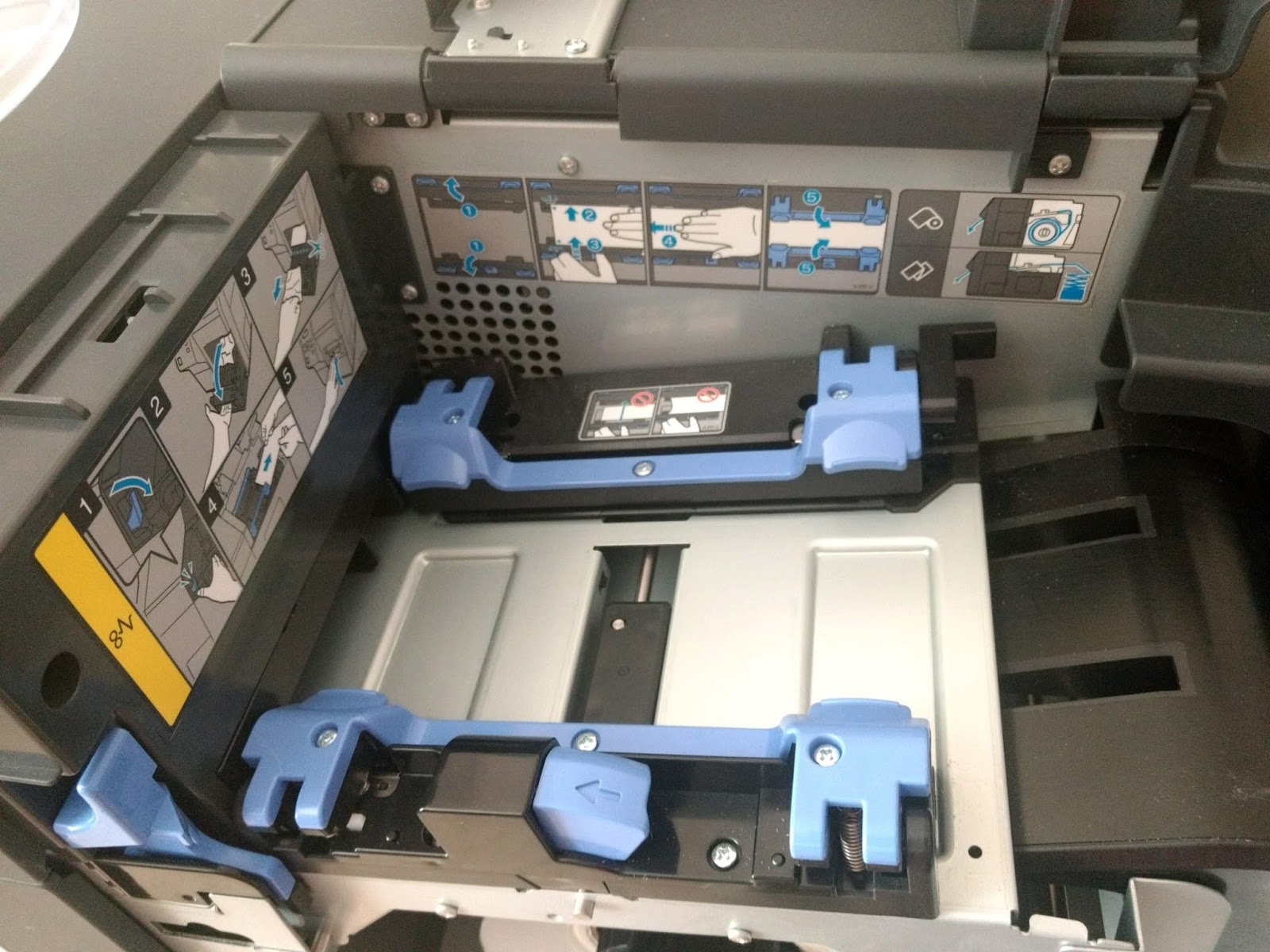
The LX2000 is a HP printhead inside of a metal box. I find the design finicky.  In fact, I cut my finger printing the 10 labels required for the ink calculation.

Inside the LX2000
Inside the LX2000

The inside of the C7500 is well designed; especially the media path which prevents side-to-side movement of the label media.

C7500 Media Path
C7500 Media Path
Label Roll: the LX2000 has a max OD of 6”.  The C7500 has a max OD of 8”.   Larger rolls mean fewer changes and lower label costs.
Support:
You’ll get a lot more support from us.  Here is an example of the type of support we provide that I published earlier:


FULL DISCLOSURE: I find Primera difficult to work with.  For sure, Primera does not want resellers like us as partners as they prefer to sell direct to consumers.  For our customers, we’ll provide technical support; and we’ll help you negotiate the repair processes of our vendors.  We work hard for our customers.
I hope these 10 aspects explain our view of the differences between the C7500 and the LX2000.  I understand hardware cost is important; but you sometimes get more value by investing a bit more money.
If you have questions comparing label printers, call us. We’ll be happy to gain an understanding of your requirements and recommend the best label printing solution for your organization.
Guy Mikel
855-962-7670

New CA Prop 65 Requirements

For those of you doing business in California, have you seen this symbol?

New CA Prop 65 Icon
New CA Prop 65 Icon
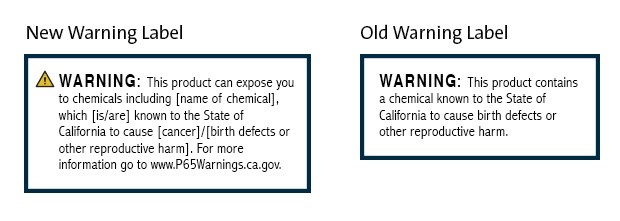
Beginning August 2018, you will begin seeing this symbol everywhere in California with the implementation of the new Prop 65 warning labels.  Proposition 65 (California’s Safe Drinking Water and Toxic Enforcement Act of 1986) was implemented as a so-called right-to-know statute that requires everyone in the chain of commerce to ensure that California consumers receive “clear and reasonable” warnings prior to being exposed to a growing list of chemicals—now numbering more than 900.  In 2018, California’s Office of Environmental Health Hazard Assessment (OEHHA) has defined “clear and reasonable” to include the above warning symbol.  You’ll notice the difference.

New Prop 65 Label Requirements
To see the latest 900 cancer or reproductive compounds on the list, visit here:

Having worked in the crop protection industry for many years, I recognize many of the compounds.  However, one of the compounds on the list was surprising to me:
Marijuana smoke: 

With the changes coming to the cannabis business in January, I wonder how this warning will affect labeling prerolls, etc. in California.
Or aspirin:

A list of all the published fact sheets on each compound are here:

Also interesting to me, the new Prop 65 labeling requires specific font size for the warning; no smaller than 6 point font and/or no smaller than the largest font for consumer information on the label.  For more specific answers to questions, see this link:

You may say this new Prop 65 warning does not apply to us as our company does not sell directly to consumers.  In this situation, the manufacturer of a product that contains a compound on the list must notify their customers of the requirement.  Given the notification requirement, I don’t know if they’ll decide to place the warning on their labels as well.  That’s a question for the regulatory experts inside each company.
For our customers already meeting the requirements for GHS labels, printing this new warning symbol on-demand and in color will not be any big deal.  On our blog, www.colorlabelsondemand.blogspot.com,  we have 59 different posts covering GHS.  One of my favorite post covering GHS labels involved NIC Industries:

And Engineered Lubricants:

If you need assistance printing labels for products covered by Prop 65 and/or GHS contact us.  We can help you print color labels on-demand.
Guy Mikel
855-962-7670

Color Rebar Tags

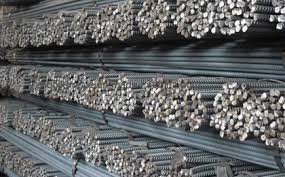
Rebar (short for reinforcing bar) is a steel bar or mesh of steel wires used as a tension device in reinforced concrete and reinforced masonry structures to strengthen and hold the concrete in tension.


Rebar fabricators supply various grades, sizes and shapes to meet the requirements of construction projects.  Given all the types of rebar, construction sites need a means to quickly identify the correct bundle for each part of a project.  Color is the easiest method to identify rebar.  Let me tell you more about using on-demand color rebar tags.
Brooklyn Rebar (http://www.brooklynrebar.com/)  is a rebar fabrication company committed to serving contractors and warehouses in New York, Connecticut and New Jersey.  They provide fabricated rebar to complex, large and small bridges, concrete high rises, tunnels, treatment plants, power plants, ranging in size, from 1 to 10,000 tons of rebar.  Brooklyn Rebar is located on the Brooklyn/Queens line with easy access to all east side tunnels and bridges into Manhattan.

In January 2016, a Project Manager, of Brooklyn Rebar contacted us to discuss how they could print color tags for their rebar.  During our conversation and subsequent work together, I learned that Brooklyn Rebar uses Soule Software, (http://www.soulesoftware.com/),  which offers a complete suite of software for rebar fabricators and placers.  In their software, Soule built the capability to use color in their customer’s operations.  According to Bob Boeving, Vice President of Sales for Soule Software, “Color has become a very valuable tool for rebar fabricators.  Now fabricators can add color bars to their tags to help the job site stage and locate the correct materials for each specific part of a project.  Fabricators can set up unique colors for each section of a project, which print automatically.  This color capability helps contractors reduce errors and increase productivity on the job site.”

Bob continues, “color on-demand tags helps fabricators as well to stage, load and offload rebar correctly.  With color, fabricators can pull off the truck rebar in the correct sequence.  In addition, our software enables the use of images to show unique dimensions or bends in the rebar.  These images help the fab shop understand what’s required to reduce potential errors.  We can also use color to identify foreign or domestic steel; and to identify different grades of steel.  This color identification helps the fab shop pull the correct steel inventory for their job. Overall, color on-demand tags are a powerful tool to help reduce errors in a rebar operation.”
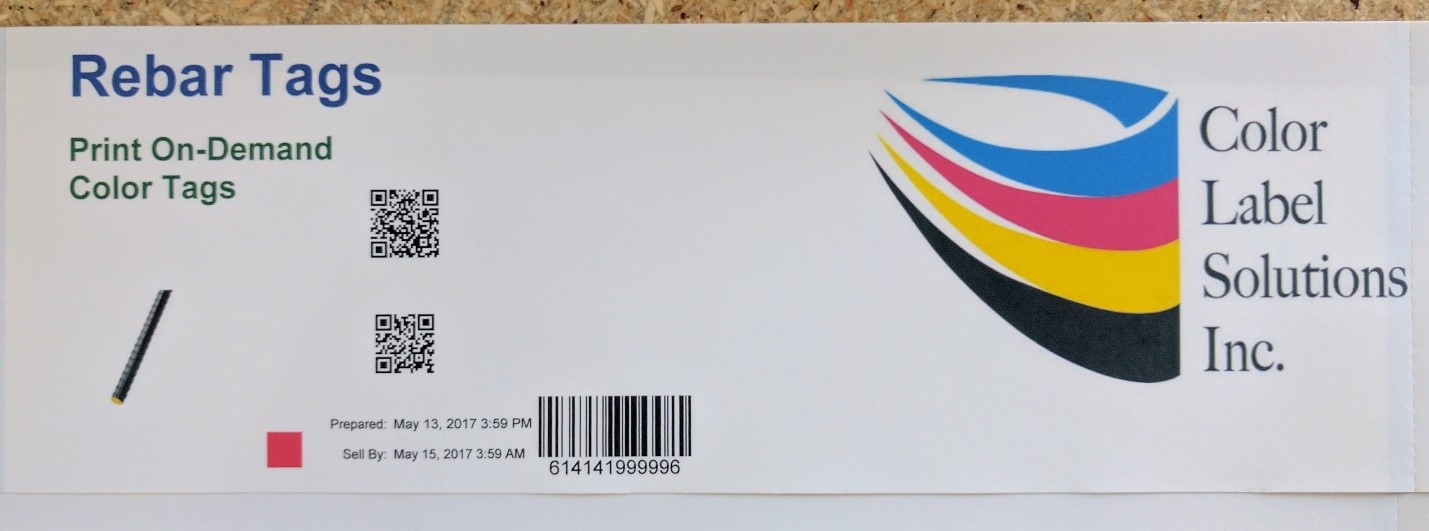
Based on the capability of the Soule Software, Brooklyn Rebar purchased a C7500 and 4” x 6” matte poly tags. 

Print On-Demand Color Rebar Tag
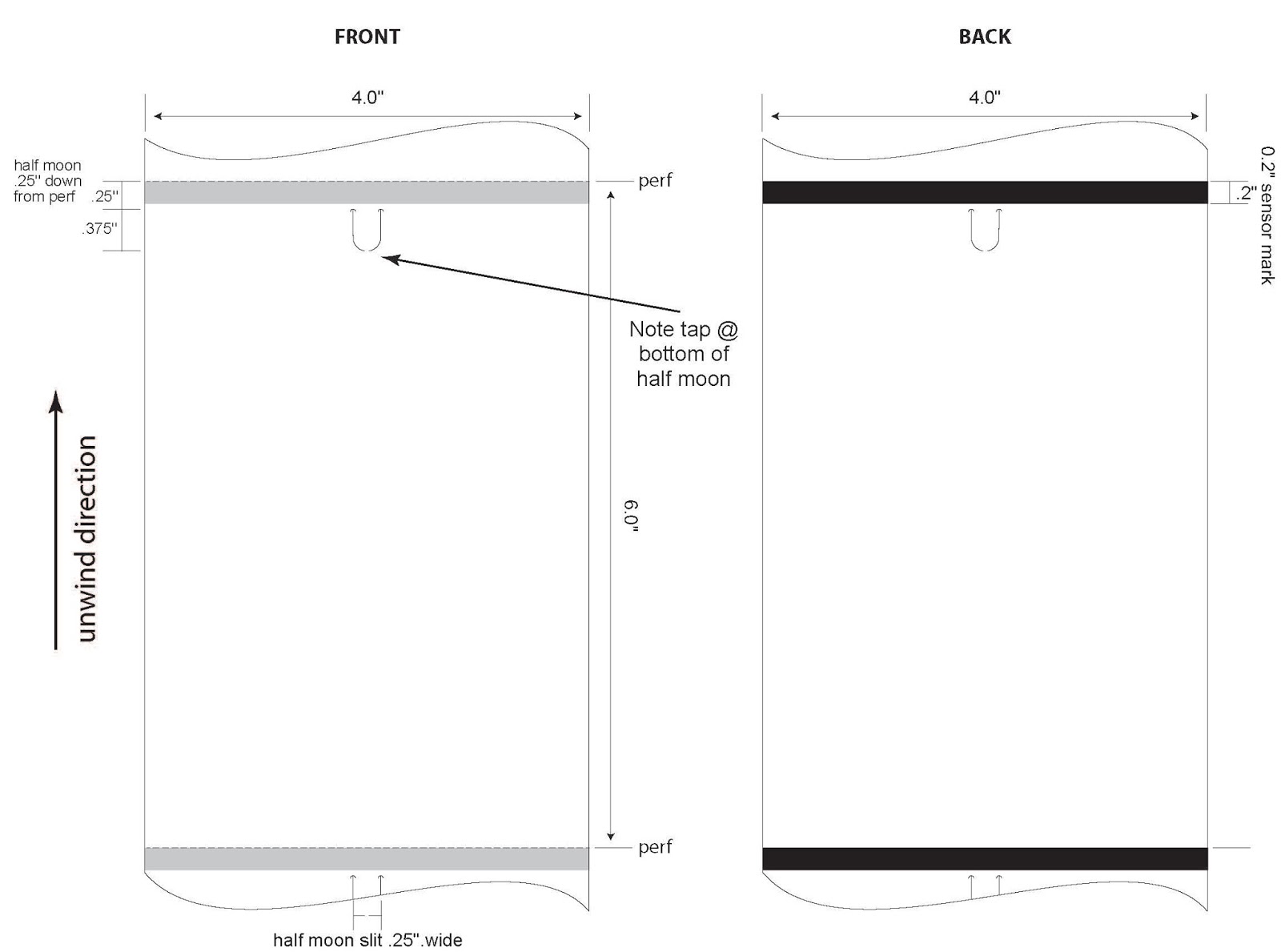
 Initially, we had issues with the tags.  First, we learned the C7500 can’t use standard shaped tags; tags with a notch for thermal transfer printers to detect top of form.  When the printer pulls the tags back into the printer to start printing, the notches catch causing the printer to error out.  Second, we tried new material with a shinier back.  Although the tags would work in a C3500, they would not function in a C7500.  It seems the C7500 has a substantially different blackmark sensor.  The reflection on the back of the tag caused the printer to misread the blackmark.  Third, we tried a thinner, 5 mil poly tag.  Although durable, the 5 mil tag could tear at the notch, potentially losing the tags during shipping or moving in the yard.  Because of these problems, we had supply issues, getting the tags to our customer.  One aspect of the 5 mil tag; they print great!

5 Mil On-Demand Color Tag
(FYI:  We featured this same tag material in our post on mattress tags)  http://colorlabelsondemand.blogspot.com/2017/06/on-demand-color-mattress-tags-labels.html

Through all these start up issues, Brooklyn Rebar stayed with us.  And we appreciated their support.  Ultimately, we settled on an 8 mil, matte poly tag with the design in the image above.  And these thicker 8 mil tags seem to be working well.
Print On-Demand Color Rebar Tag
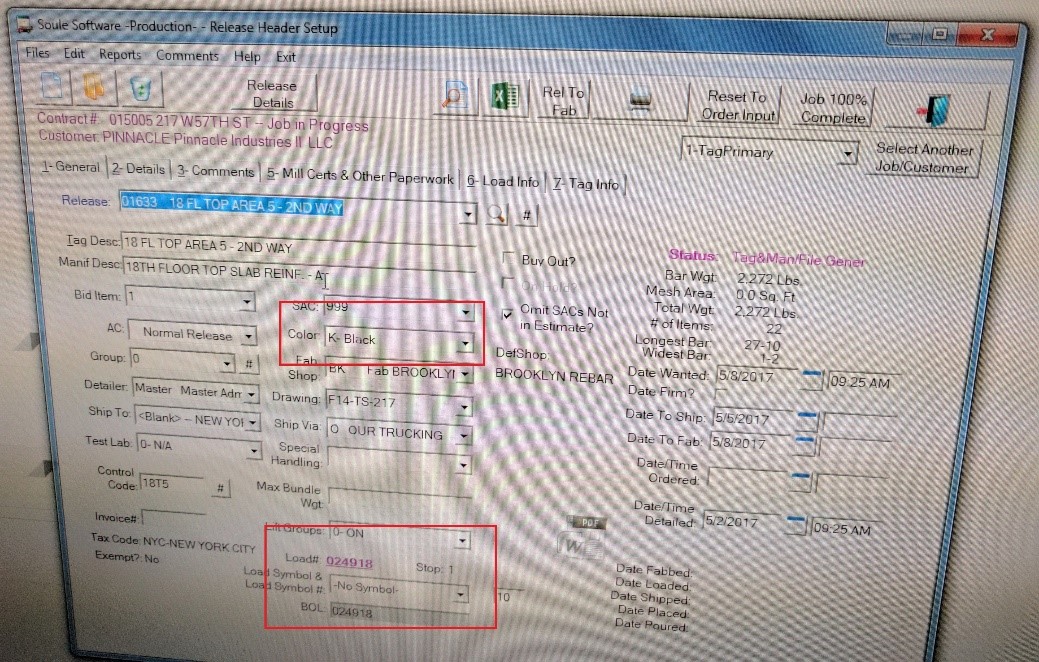
During a recent visit, a Project Manager for Brooklyn Rebar, showed me how they use color in their operation.  According to the Project Manager, “we assign colors to specific areas of the project, using the Soule Software.”

Rebar Staging Document
Color Rebar Staging Document
“And in the software, it’s easy to pick the color for each section of the project”, said the Project Manager.

Soule Software Color Selection
 “We use both solid colors and different color hash marks for each of the locations on a project.  For most projects, the solid colors are sufficient.  When we need more locations, we use different color hash marks.  We find the color coding helps our customers and us internally to reduce errors and increase our productivity”, said the Project Manager.
After working with Brooklyn Rebar and learning more about Soule Software, I do believe automating color codes on tags will help fabricators significantly.  Plus I like the fact that Soule built in the capability in advance of available technology; specifically the C7500.  Even today, I know of software applications that have been built using printing languages from the 1980’s.
And more importantly, I appreciate companies like Brooklyn Rebar who search and use practical technology that improves their productivity and reduces the potential for errors.
If you need a color-coded label or tag solution for rebar or any other item, be sure to contact us.  We would enjoy working with you to build a color-based solution that fits your business.
Guy Mikel
855-962-7670

Summer PR Tour

Recently, Andy Scherz, Product Manager for Epson America approached us with a request. Andy asked:
“Do you any customers who might like a little PR?  We are focusing on the boutique product labeling market.  Cheese, juice, lotion…  The idea is that we would like to get some quantity of actual product with labels.  We will show these labels and highlight how they were printed by Epson solutions.  If you have any willing customers, please let us know.”

It seems Epson America was planning for the annual Epson Summer Press Tour. 

ColorWorks Label Press Tour
The Epson Summer Press Tour is an annual event that Epson PR conducts for press and analysts to showcase new solutions and corporate initiatives.  This event is not open to the public and is by invitation only to industry analysts and members of the press. And this year, over 100 press and analysts attended in New York City. 
Originally, this event was created and remains primarily for media to see Epson’s latest consumer products for Holiday Gift Guide inclusion.  In the last several years, Epson has shifted its company focus toward business solutions and leverages the event to generate larger brand awareness for Epson solutions that may not be as well known.  For this reason, Epson incorporated displays from more industrial business lines at the event such as robotics, point-of-sale printing and commercial label solutions.

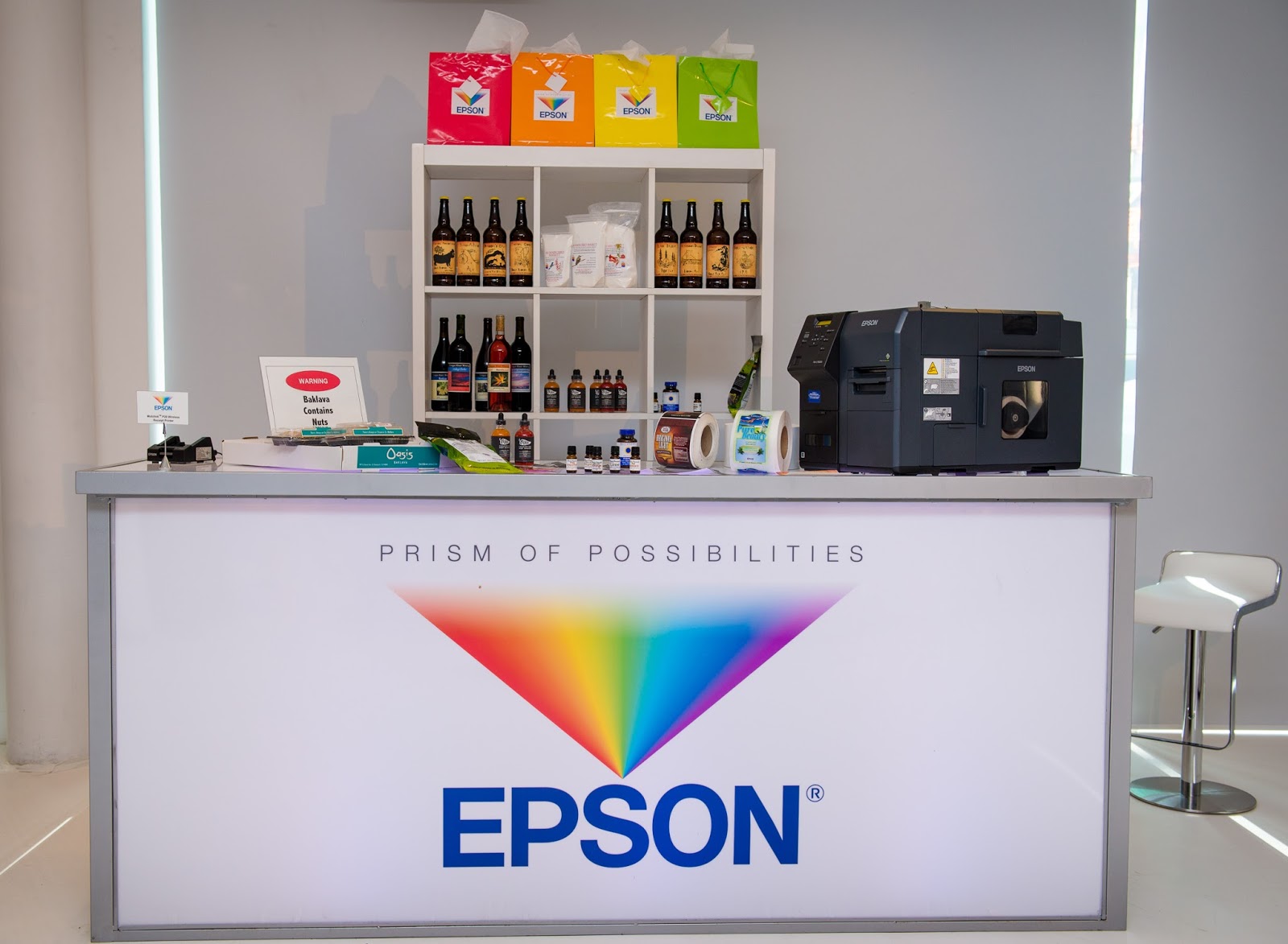
How could we say no to Andy?  Based on this request, we suggested to Darek Connole, Public Relations for Epson a handful of customers who produce their product labels using Epson printers.  Based on this list, the Public Relations firm for Epson, Walt & Company, www.walt.com,  purchased on-line a selection of products from these companies. 


ColorWorks Booth-Summer Press Tour
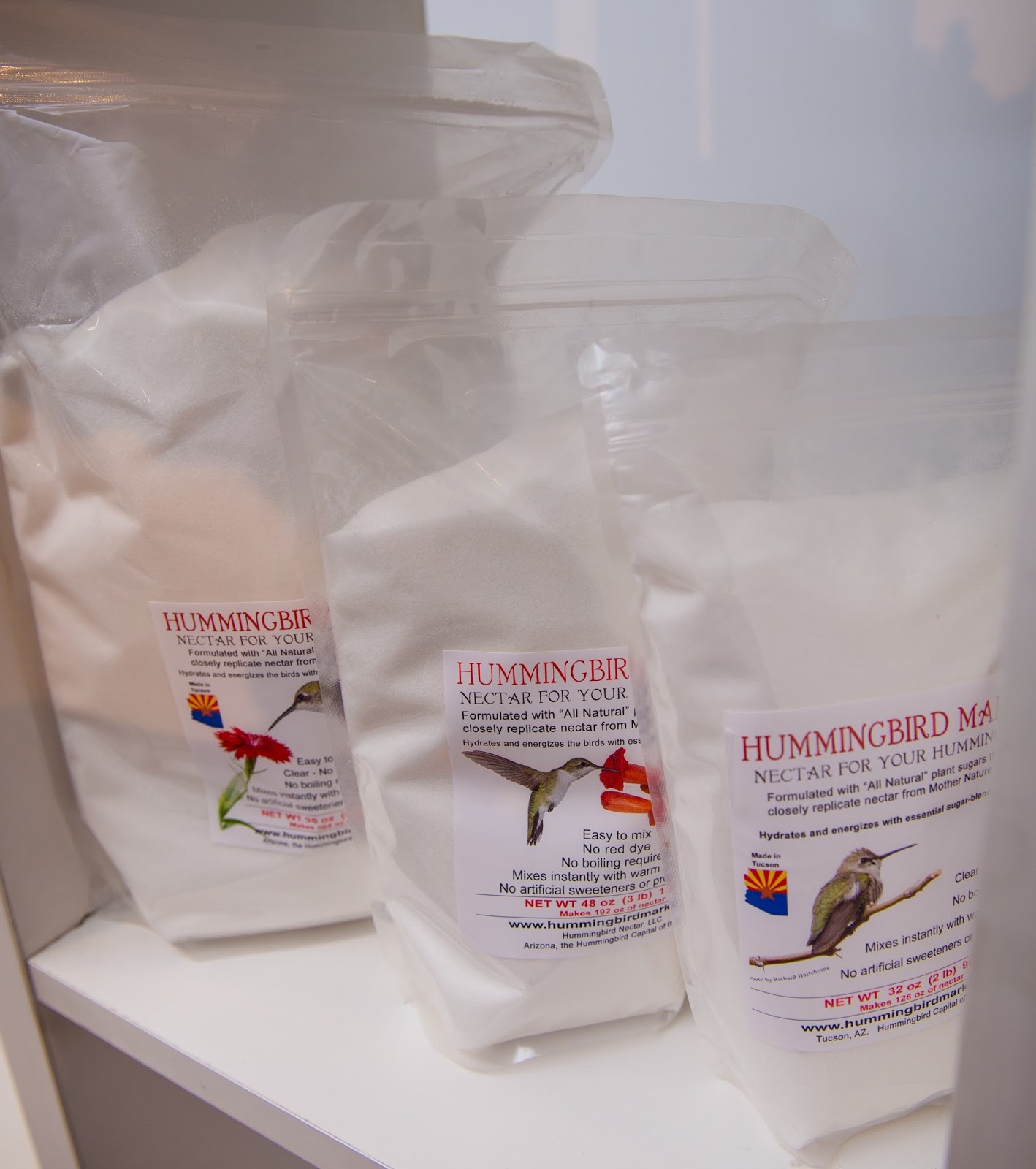
One the products/labels of company featured was Hummingbird Nectar.  Douglas Everett produces beautiful labels for his product; using his great graphic artist skills.

Hummingbird Nectar Products

Many years ago, I wrote about Hummingbird Nectar, http://www.hummingbirdmarket.com/on one of my first posts:


Since day one, Hummingbird Nectar has invested resources and energy into producing innovative hummingbird nectar and offering quality hummingbird products.  Over the past years their nectar has evolved; and will continue to change as this company introduce best-in-class products for your hummingbirds.
As Douglas says, ““The team a Color Label Solutions and Epson keeps us humming along”.
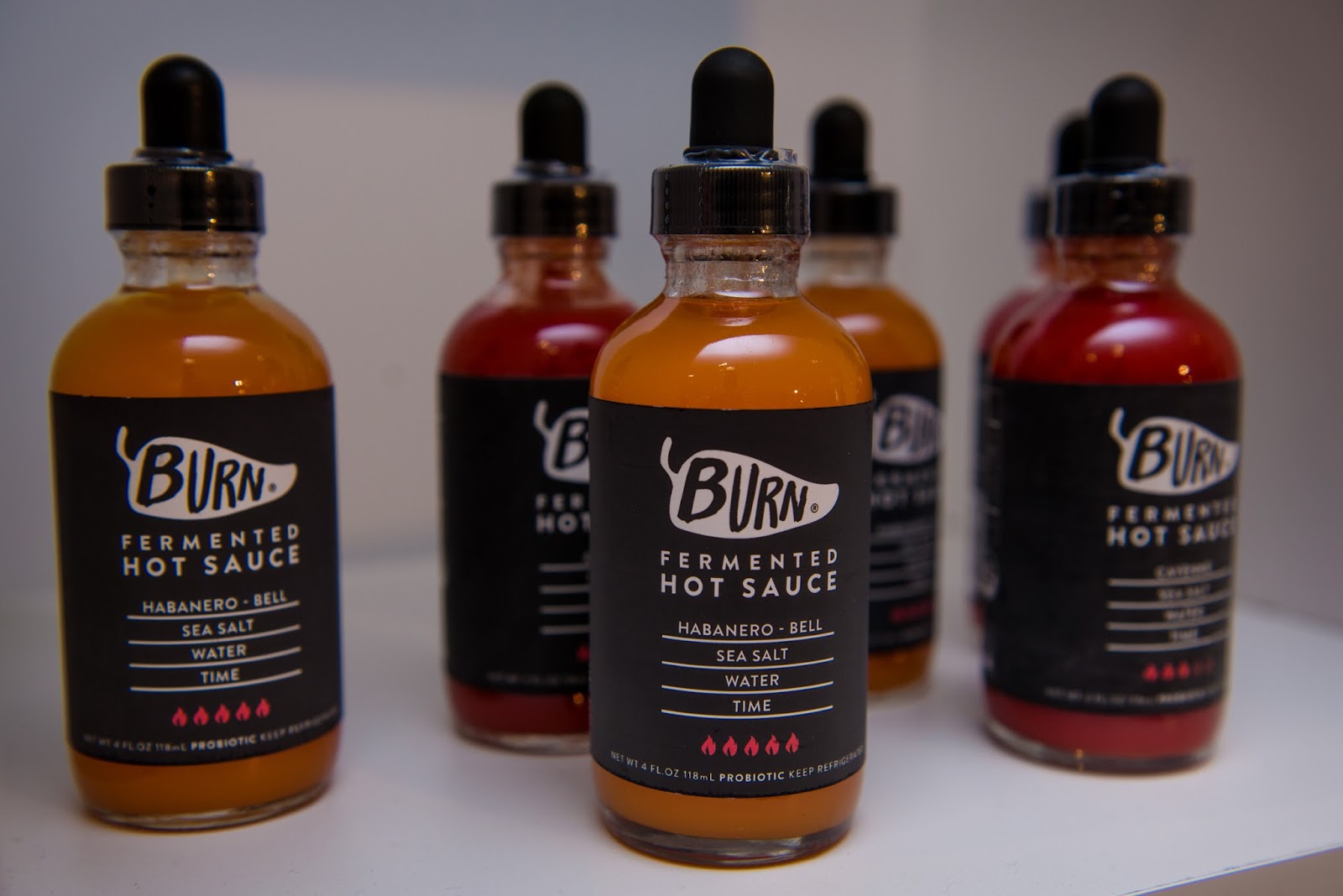
In addition to Hummingbird Nectar, Epson showed a product from Burn Hotsauce, https://www.burnhotsauce.com/,  in their display:

Burn Hot Sauce
Burn Hot Sauce

Burn Hot Sauce is an original, small batch, farmer and chef owned business in Santa Cruz California.  All of their produce is grown on sustainable organic farms in California; and all of the fermented hot sauces highlight the farm on the label.  Burn Hot Sauce is raw, alive and full of probiotics. 
​And I featured this company with some great products in a post earlier this year:


Next, we got one of our long-time customers, Tongue River Winery, http://www.tongueriverwinery.com/, involved.

Tongue River Winery
Tongue River Winery
 Their slogan, “Quality Made Wines with fruit exclusively from the Northern Plains!” sums up not only their wines, but also the quality of the owner of Tongue River Winery:  Bob Thaden and family.  You’ll find the letter Bob included with the box of wine to Epson of interest: 

Letter from Tongue River Winery

As Bob didn’t have to include this letter, it shows what a wonderful and kind man he is.
Also, Epson had products from Rejunvenation Therapeutics, https://rejuvenation-therapeutics.com/,   in their display.

Rejuvenation Therapeutics Label
Rejuvenation Therapeutics is a health-centered, science-driven company that strives to extend lifespan and improve overall wellbeing. Within a burgeoning field of dietary supplements and nutritional ingredients, Rejuvenation Therapeutics stands out with their dedication to scientific evidence and regulatory compliance to ensure that their products are safe, effective, and beneficial.
Rejuvenation Therapeutics is using a C7500G to produce their gloss poly labels.  I think they look great!
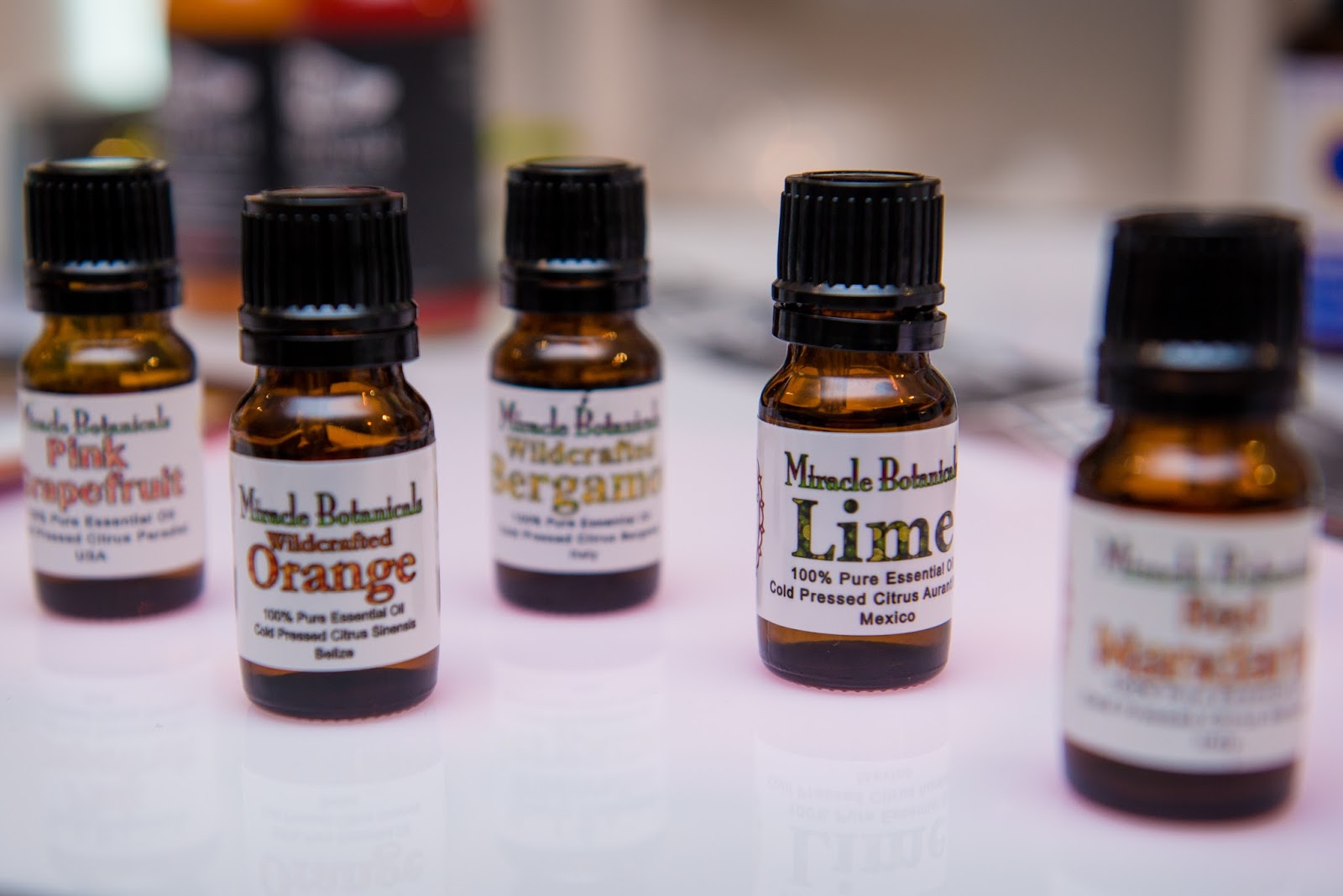
Lastly, Epson showed products from Miracle Botanicals, https://miraclebotanicals.com/one of our customers from Hawaii.

Miracle Botanicals Labels

Essential oil is the passion of Miracle Botanicals! Ever since Hope Johnson was introduced to essential oil after the birth of her third child, these precious plant spirits have become part of their family’s daily life and over time every aspect of their lives has been transformed.
Rev. Hope Johnson is an Essential Oil Alchemist and Reiki Master.  I love that she signs all of her emails to us, “With Fragrant Blessings”.
We’re fortunate to have such great customers like the one featured above.  Please visit their website and try some of their products.  Or if you have requirements for other food and beverage companies, contact us and we’ll connect you to some of our other customers.
I’d like to thank Epson and the Walt Company for the pictures from the event; and for including us and a few or our customers.  Contact us if you want to produce beautiful and functional labels yourself.

Guy Mikel
855-962-7670

Doob Tube Labels & More

Peter Howell from Great Engineering in Australia came to Color Label Solutions this week to provide additional training on their line of label applicators; especially covering small container labeling.


Color Label Solutions Team
If you don’t know this company, Great Engineering (https://greatengineering.com/) makes world class label application equipment.  Ideal for cylindrical containers for many industries: food and beverage, pharmaceuticals and cosmetics. And don’t forget the boutique beverage and cannabis markets.  Here is my previous post on the BenchMax applicator:


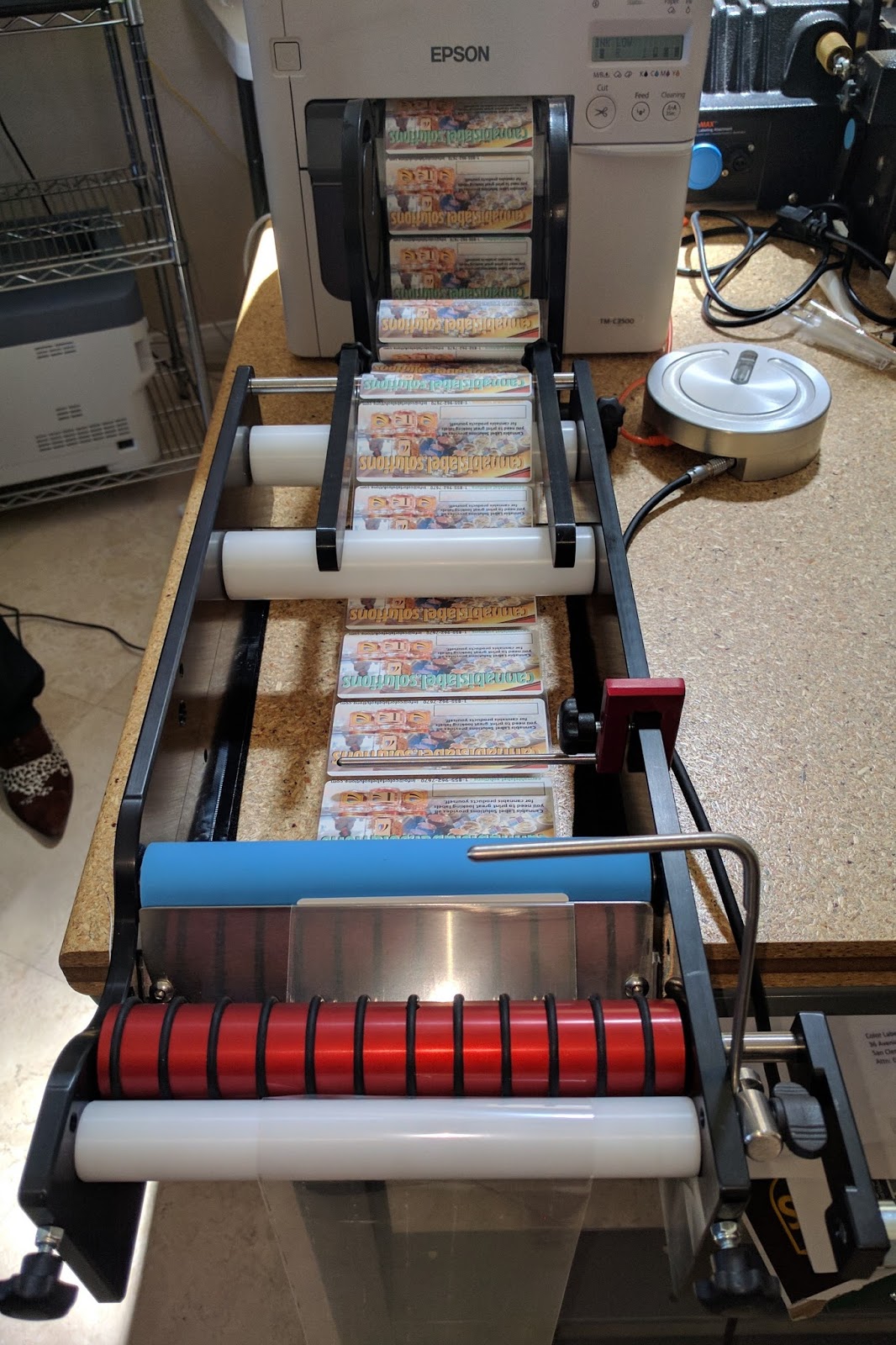
During our session, a few key points came out that I decided to share with you.  First, the economical BenchMate (https://greatengineering.com/benchmates/) offers the capability to integrate with a C3500 label printer.

BenchMate Integrated with the C3500

Although using a hand crank, this manual applicator can apply a lot of labels, quickly and affordably.  In addition, this manual applicator has the capability to apply 2 labels on one container, with very precise positioning. With the addition of the interface unit and foot press, you can print directly into the BenchMate, eliminating any requirement for rewinding.  I find this capability very intriguing; especially given the price of the unit.
The BenchMate plus the Interface, Cable, Footpress and Freight to the US from Australia as seen in the above picture costs $1990.  No other applicator at this price enables the printing of color labels directly into the applicator.
In you have containers less than 55 mm in diameter, the BenchMate+ offers the ability to apply labels to containers down to 17 mm (11/16”) in diameter. Be sure to watch this video of applying labels to very small bottles from the BenchMate’s webpage.  


The BenchMate+ with the small container adapter and overhead roller costs $510 more than the BenchMate; totaling $2,500 with the components to apply labels directly printing from the C3500.
Second, Peter worked with us to apply labels to tapered bottles.  Tapered containers, such as joint or “Doob” tubes, make label application very difficult; given the difference in diameter/speed of the container as it turns on the applicator.  For example, we are currently working on a label that is .6875” on the tapered end; and 1.125” on the larger end.  This .4375” difference is what makes label application tough.
Watch us apply a 2” x 1” label on a tapered joint tube with lip/lid.


As you can see in the video, the blue rollers of the small container adapter are moved to allow for the lip connecting the lid on top of the container.  These type of design considerations make the BenchMax a very flexible machine.
And here is another video of the same application providing more detail on how the system works for applying labels to tapered containers.


And in this video, we applied several labels on the same tube; to show how the BenchMax applies labels in the same position each time.


In this last video, you can see how we cut the rollers to better apply the labels.  Based on your containers, the BenchMax makes it easy to adapt the applicator for the type of container you have.  No other label applicator makes adapting to the container easier.  In this video, Peter from Great Engineering shows how to remove and cut the rollers to better fit your containers.


Third, the BenchMax offers an orientation capability.  With this feature, you can apply labels on a round container in precisely the same position on every bottle.  In our training, we used a Mason jar, and applied labels relative to the position of the embossed letters on the jar.  Wish I had pictures; bummer.
Based on our meeting, I’ve found the BenchMax a very interesting choice for applying labels to a variety of round containers; especially small container vials.  With the ability to integrate with the Epson printers, the ease of adapting to a variety of containers sizes and shapes, and the minimum sizes down to 8 mm in diameter make the BenchMax and BenchMate label applicators good choices for many companies.  Contact us to learn more how these devices will fit your operation.
Guy Mikel
855-962-7670

Complete Print Shop

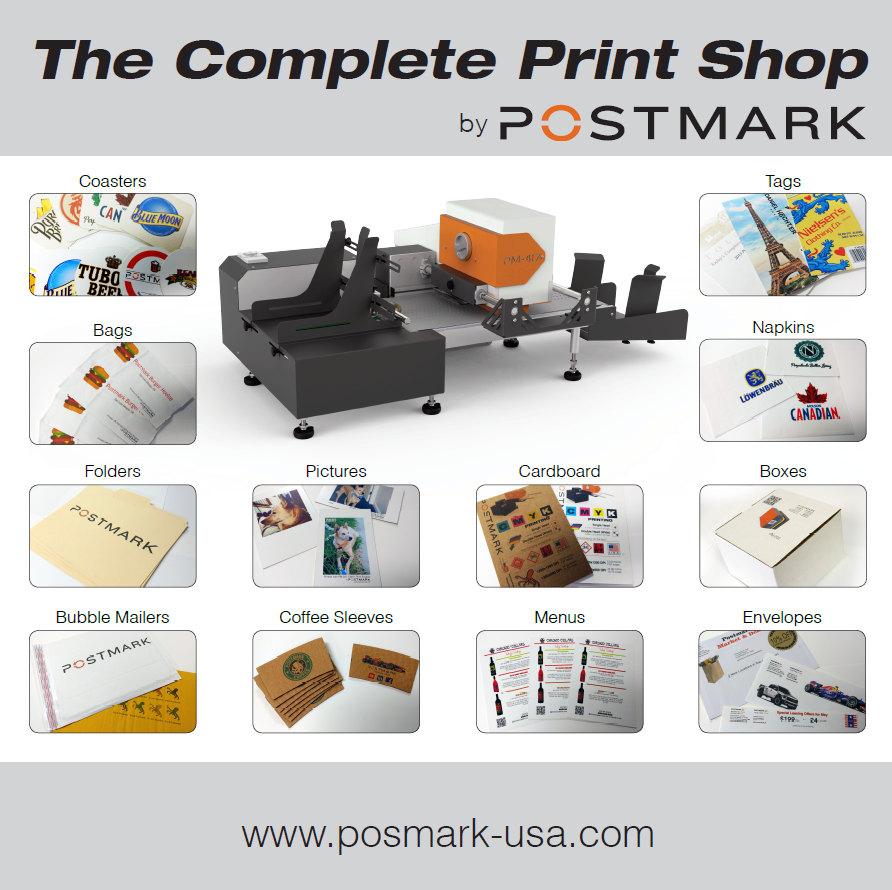
Postmark (http://postmark-usa.com/) showed their new CMYK printer at the Franchise Services Expo July 27 and 28 in Long Beach.  Combined with their fixed feeder, Postmark calls their solution the Complete Print Shop.


CMYK Printer With Fixed Thickness Feeder
With the fixed thickness feeder, you can print a wide variety of items that are difficult to impossible to print with normal printers.


Watch the new CYMK printer and Fixed Thickness Platform run here:


And print Coasters:

On-Demand Color Coasters

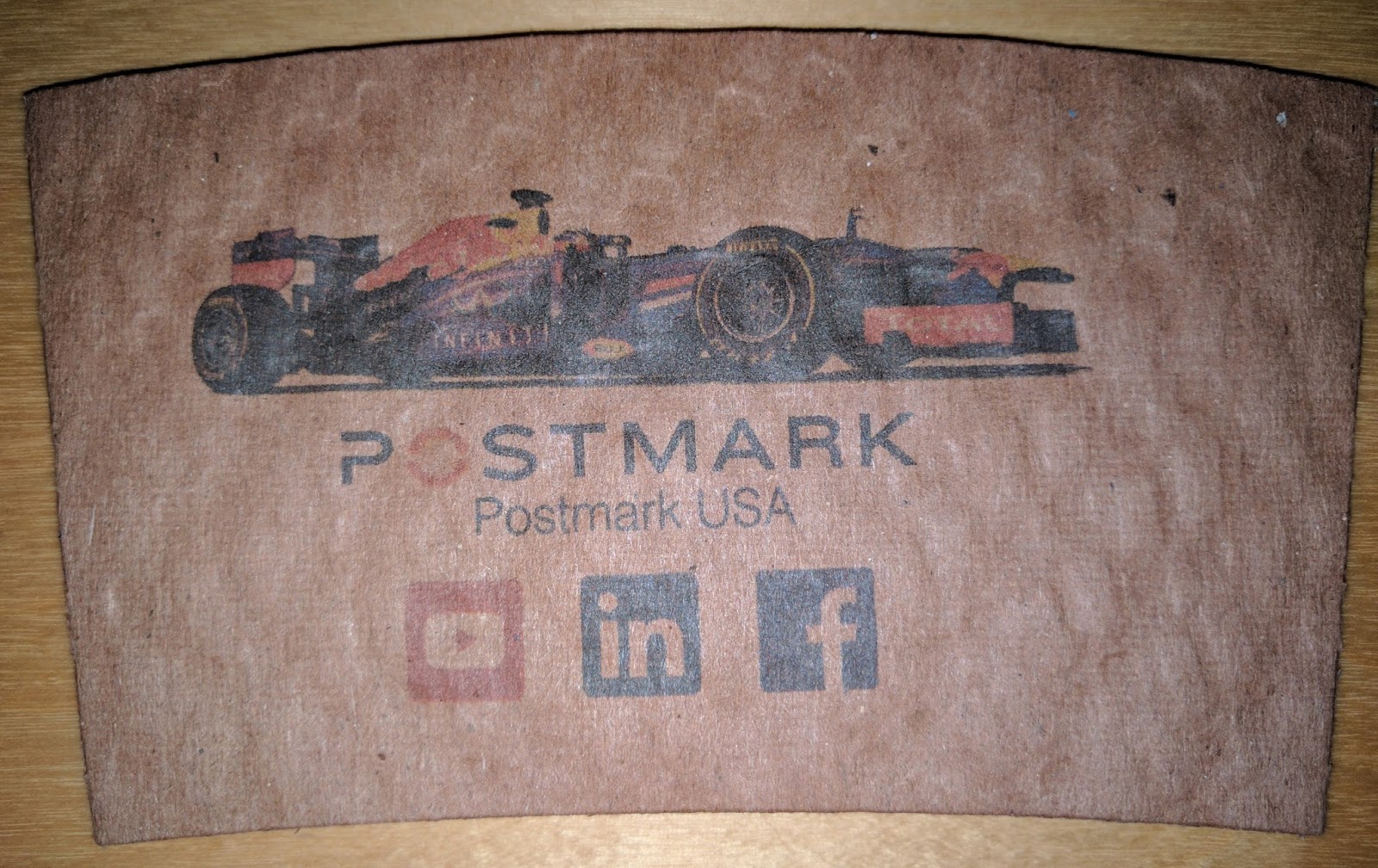
Coffee Sleeves:

On-Demand Color Coffee Sleeves

Paper Bags:

On-Demand Color Bags
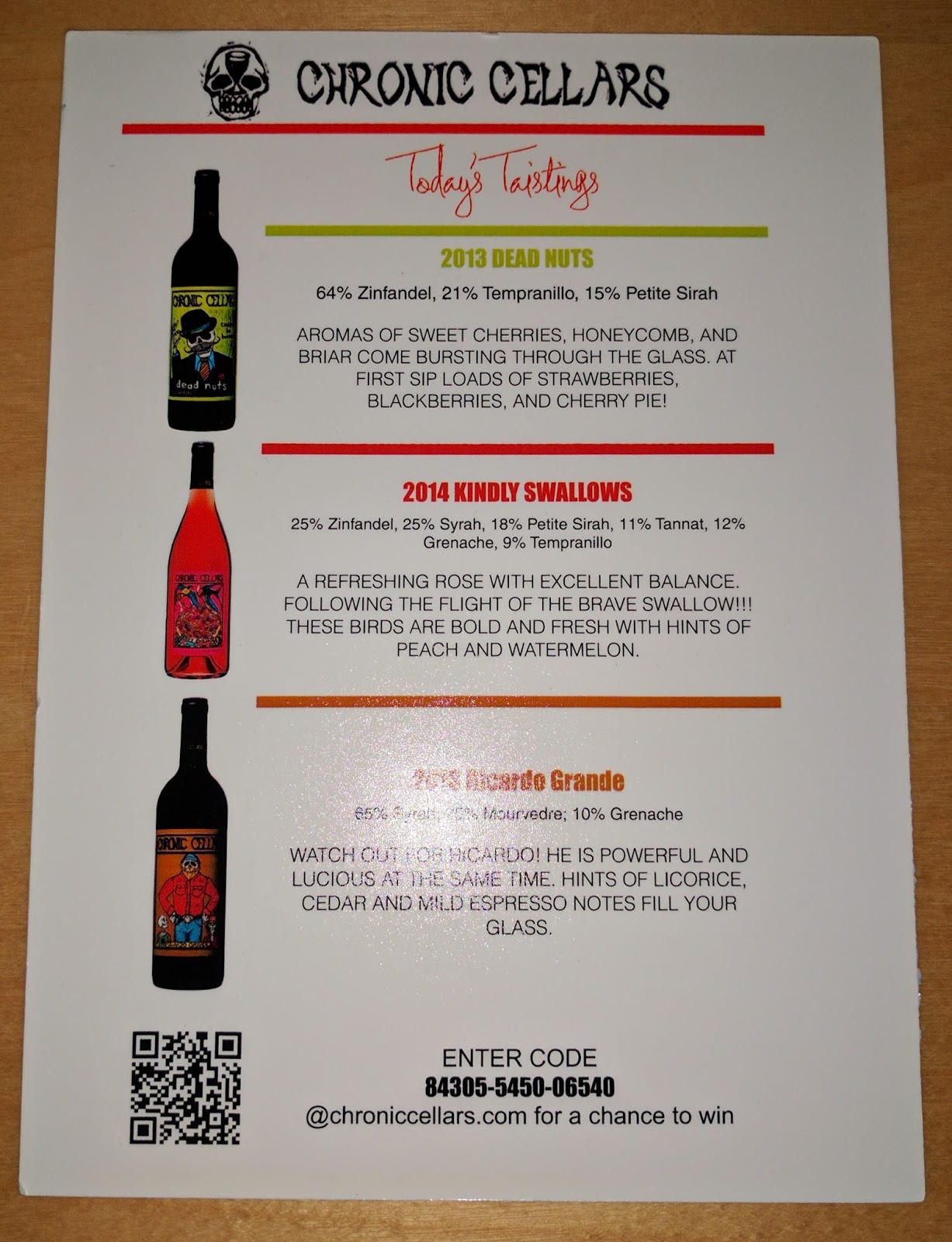
Thick Menu Cards or Shelf Talkers:

On-Demand Color Cards/Shelf Talkers
And other items such as envelopes, bubble envelopes, napkins, small boxes, etc.  Pretty much anything paper you can now print with the fixed thickness feeder and the CYMK printhead.
You may remember we showed an earlier version of this device at WestPack 2017:


and a slightly different version at WestPack 2016:


From my perspective, the biggest difference with the latest iteration is the software.  Now, Postmark has integrated the Navigator RIP from Xitron:


With this software, now you can print PDF’s easily; and get better print quality.  Plus the workflow seems much easier to use.  The Navigator RIP is a big step forward in ease of use of the CMYK print engine.
In addition to the new RIP, Postmark has reconfigured the printer; eliminating the need for hoses, wires and connectors.  This new configuration makes it much easier to set up and run.
The 4” CYMK printer, Fixed Thickness Feeder and RIP costs approximately $20,000.  The 8” version costs approximately $25,000.
If you need to print a wide variety of “thick” items; or you want to add a new source of income for your printing business, contact us to discuss how the CYMK print engine and Fixed Thickness Platform would work for you.
Guy Mikel
855-962-7670

LinePatrolman™ Accurate Validation and Monitoring of the Induction Sealing Process

Process Validation for Induction Sealing

It is an all time recommendation to have process validation for induction sealing to safeguard the sealing performance due to many variables that could easily change the performance of an induction machine.

A slight change in the induction machine sealing power setting, product conveyor speed, guide rail settings, sealing head angle or sealing head height can all have significant influence on the amount of energy the induction seal will receive; resulting in failed seals.

Visual Inspections: Induction Sealing Process Validation

Even the most competent and capable operators on your production shifts have to rely on opening product to make visual inspections and perhaps a very good memory of how warm the cap should feel immediately after passing through the sealing head.

Manual validation is more anecdotal than value based “validation” of your induction sealing process and machine set-up.  The LinePatrolman range provides you with that numerical and repeatable process validation measures.  The measure is a calibrated reading to record the energy that would be transferred to products passing through the machine.

Some Things to Look for in a Good Seal:

  1. Correct Settings – An experienced operator would know to look for a concentric heat pattern in the foil; by holding the foil to a light source at the correct angle he would see a smaller circle where material has not been affected by heat.  This means the seal has heated from the outside inwards in an even pattern; hence an even seal.
  2. Overheating – there are a number of factors to show if there has been overheating including – visual discolouration of one or more layers of the induction foil, bubbling or creasing, a flattening of the bottle neck, melting of a backing resealing foam (when present).
  3. Uneven heat sealing –The foil can look well sealed but an uneven heat seal can result in areas of the seal being too firmly “welded” or very lightly welded making the seal likely to fail with a little pressure on the side walls of the bottle/container.
Induction Sealing Process Animation
How to Improve Your Induction Sealing Process with the Patrolman™ range

Patrolman Line MasterIf you have doubts that you will always operators trained or experienced enough to cover what is required for a reliable visual process of validation for induction sealing, then there is the simple option of a LineMaster™ which has no more controls than a reset button.

This unit needs no programming and simply provides an integrated count of the energy seen by the testing cell passing down the same path as the products.

A reason that many need an induction sealing measurement is because the energy transferred by an induction SealMaster Processsealing machine to the foil of an induction seal within a cap is a time and position dependent process. The LinePatrolman™ range are unique process validation tools that will pick up variations in energy transfer in what may look like an identical set-up to the last time an induction machine was run.  This tool takes way the guess work on what energy is being transferred and provided operator confidence that the machine is set to the best it can be set.

SealMaster Validation Tool for Induction Sealing

Caps with Liners

Caps and Closures

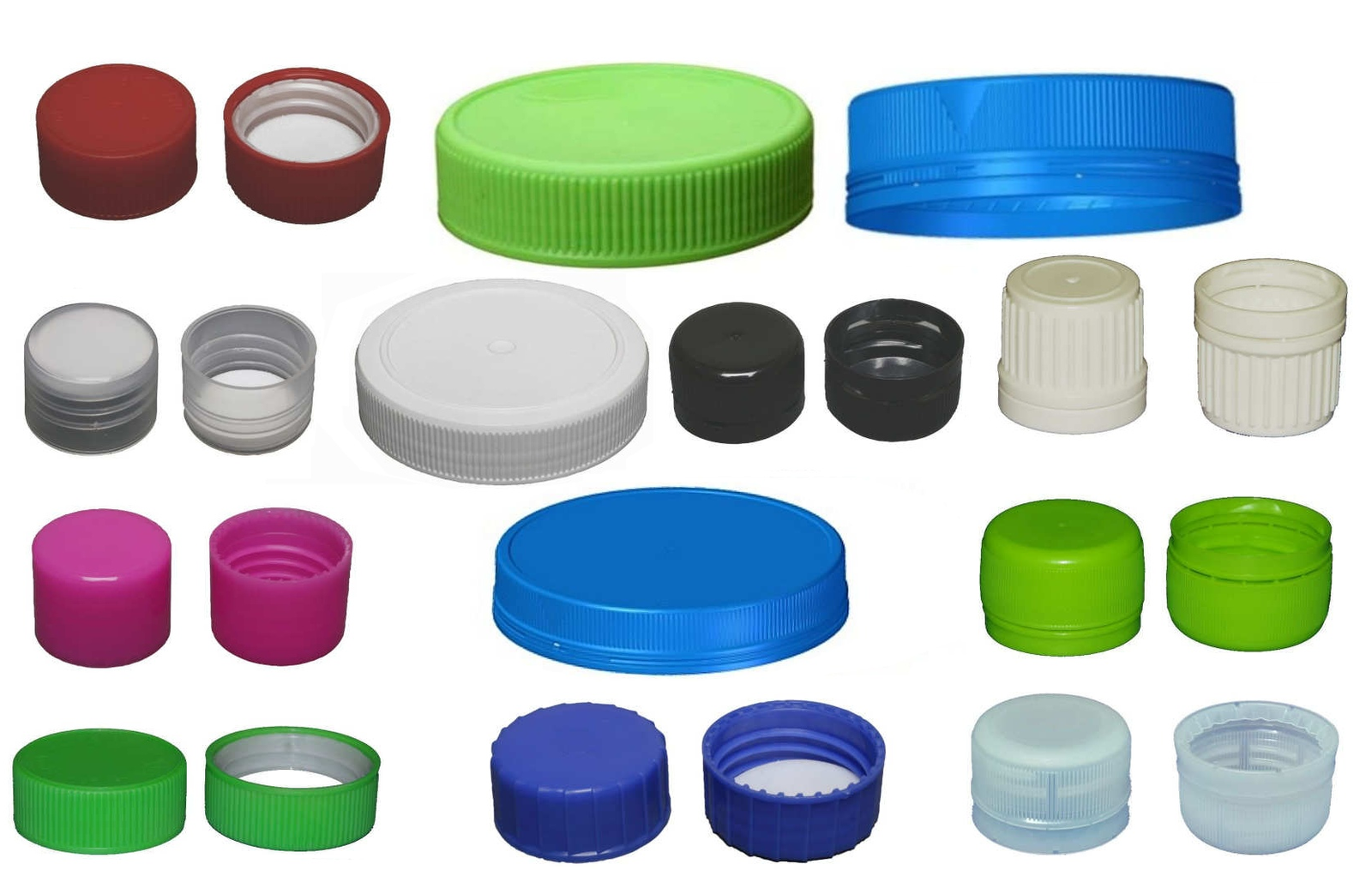
As we deal with so many cap manufacturers we are able to source and supply you with the cap and cap lining material combination you are looking for without the need to separately supply you with cap lining material. The caps are supplied from cap manufacturers for whom we have an established trading relationship.

These cap manufacturers will almost always sell through third parties and we have qualified with many cap manufacturers to be that third party. We insure the pricing we supply is equal to or better than if you had gone to other third parties or EVEN the cap manufacturer themselves.

Our knowledge and involvement in the supply of Cap Lining Material, Lining Inserting equipment for the cap manufacturers and induction sealing equipment for the end user means we can help source “get-it right first time” combinations of caps with cap lining material and supply at very competitive pricing.

caps with liners
caps with liners


[raw]

[/raw]

MeRo Induction Sealing Machines

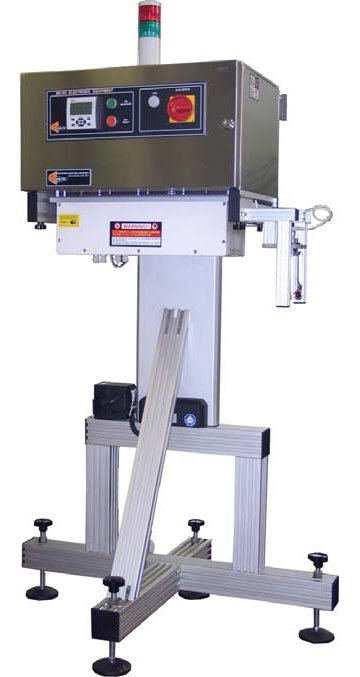
We believe there is no better value medium priced “High End” Induction Sealing Equipment. There are unique features to allow process validation and adjustable width sealing head tunnels are available.

MeRoMeRo Induction Systems feature:

  1. An Air cooled system (Absolutely no need to water cool the induction head).
  2. Compact construction for easy integration into the filling line.
  3. High power efficiency thanks to the configuration of the power circuits and the use of IGBT modules.
  4. Sinusoidal output waveform (Not Square or chopped).
  5. Constant and Precise Output power due to the configuration of the regulation circuits.
  6. Easy to use controls that display operating parameters and alarm signals.
  7. Remote control Start-Stop interface.
  8. Power variation monitor which can be set by the user to activate an alarm.
  9. Manufactured in accordance with EN-60204-1 standards, Electromagnetic (EMC) compatibility in accordance with EN-5511 and EN50082-2 standards.
  10. Motorized height adjustment
  11. Set-Up Validation providing an Energy absorbed reading- A key advantage over Nearly Every other make

Depending on the range of product and cap/lid/closure shapes, different sealing heads can be supplied.

Options include:

  1. Missing Foil Detection with Bottle Eject Mechanism or Signal
  2. Bottle Accumulation Detection to avoid the situation where bottles are stalled under the active sealing head.
  3. Pressurized Cabinet version to work in dangerous areas.
  4. Fieldbus connection to the production process ASI/PROFIBUS/CAM OPEN/DEVICE NET
  5. Integration of power regulation proportional to the speed of the conveyor via feedback from your existing conveyor’s speed controller. This is another key advantage that MeRo are able to offer over nearly other make.

SealerOn™ Induction Sealing Machines


We believe there is no better value Basic Induction Sealing Equipment on the market today.

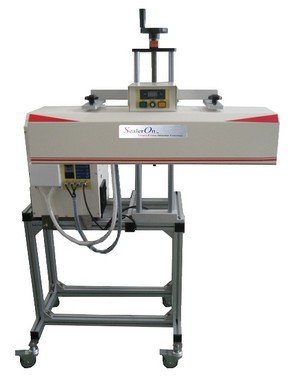
Induction Sealing Machine SealerOn 500-Front-View

The SealerOn™ Basic Induction Machine range is offered to achieve Optimal:

  • Machine Value
  • Entry Level Induction Sealing
  • Reliability
  • European Compliance (safe) Equipment

SealerOn™ Basic Induction Sealing Machine Features incorporated into this range include:

  • Air Cooled
  • Simple Controls
  • Semi-Automatic Induction Sealing Option
  • Capless Semi-Automatic Induction Sealing Option
  • Mid Level Automatic Induction Sealing Option
  • Emergency Stop on Mid Level Unit

Precut Cap Liners

Because we supply the “big boys” with cap lining material we know our field and we utilize piggy-back productions and stock rolls to be able to service large and small clients alike.

Pre-CutCoffeeText Markup
Pre-CutCoffeeText Markup01

1.0 Valued Clients with Small Scale Cap Liner Requirements:

For the contract Manufacturer, Cosmetics Company, Boutique and Cottage Food Industries, Spices and Small Enterprises, the use of induction liners can give a big boost to their product image and integrity.  Finding caps with the liners you need can be difficult or not yet available in the smaller quantities you are dealing with.  Loose packed pre-cut liners can be supplied with very short notice; within 2-3 weeks and sometimes much faster.  We are at the concluding stages of developing IP that will see lead times fall to well within one week. We use methods that enable cutting tools to be produced for hundreds of dollars rather than thousands of dollars so if your size is unique do not worry.

2.0 Larger Scale requirements and working with Cap manufacturers:

We are introducing tube packed pre-cut liners as an alternative to the more traditional roll form supply of cap lining material.

2.1  Small Scale  Cap Liners

Tube packed pre-cut liners are introduced for the small scale and pilot projects as it solves labor considerations and can be combined with cost effective budget liner-insertion-machines.

2.2  Large Scale Cap Lining

In a kind of paradox, the very large scale projects are often best served with pre-cut tube packed liners.  The liner inserting equipment is of a much higher sophistication level but the pay-off comes in the better material yield, the elimination of maintaining knifes and dies, the elimination of dust and particle consideration, the more efficient shipping costs for the lining material and the elimination of disposal consideration for the waste generated from cutting from roll form stock.  Behind the scene of pre-cut supply, the more savvy pre-cut liner manufacturers also have scavenging and recycling techniques in line with their pre-cut operations to make use of the offcuts generated and this results in a cleaner environmental footprint for this format of cap lining material.

2.3 Innovative Pre-cut Cap Lining Options

We also supply pre-cut liners with innovations that are quite unique and specific to the pre-cut format.  Liners with backing having built in pull tabs often require a pre-cut format of cap lining material.


Induction Material Liner

Material Liner is what we call that piece (or pieces) of what looks like paper inside product caps. It is also referred to as induction foil, induction sealing material, foil seals and induction seals among others. Many people are unaware of the purpose they serve to the product aside from being a protection seal or a tamper proof seal.

Material Liner Purpose

Material liner within caps can be one piece or two pieces depending on the expected purpose of the lining material.

Single piece cap linersSingle piece cap liners are often present in smaller sized containers in which the product is likely to be consumed after opening. Its packaging is regarded as being one time use packaging.  In this instance, the liner functions as protection until the product is opened. No other material is left inside the cap.


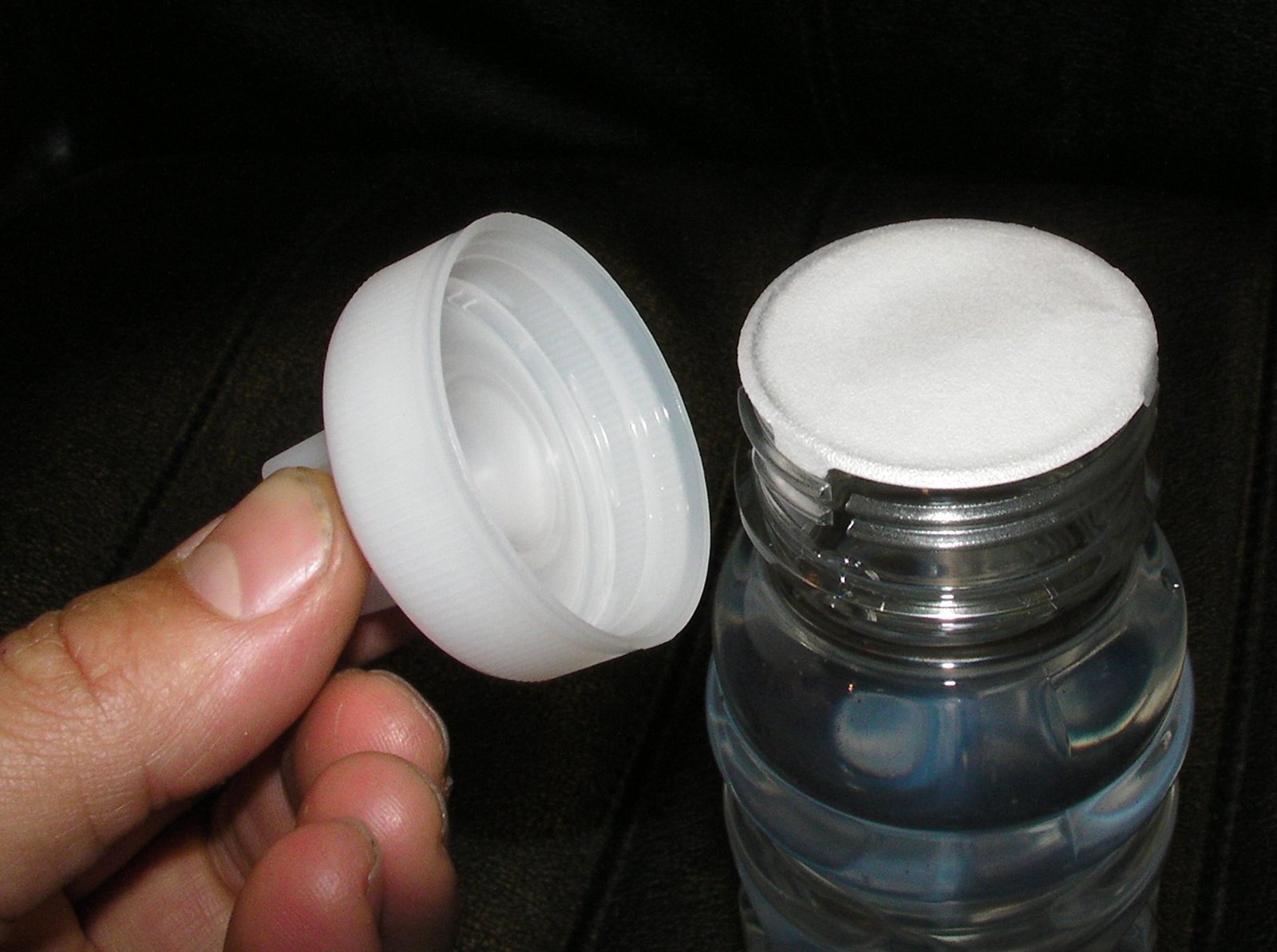
Two Piece Material LinerLarger packs or bottled items are not likely to be completely consumed right after opening. The consumer is more anticipated to reclose the container and store the product. The caps used on these conditions have demands for caps that reseals effectively. Upon close examination, the caps used on these kinds of merchandise have laminated foam within. This lamination enables the cap to reseal the container upon closing to maintain product freshness.  The laminations within the cap as well as the removed tamper evident seal on the product are referred to as two-piece cap liners.

Deciding on the best components and structure of your foil seal is essential to guarantee the proper amount of protection for your merchandise. We can help you in selecting the type of material as well as the construction suitable to your application.

We have induction sealing materials available in many variants to fulfil almost any standard or individualized product packaging requirement which are safe and meet the strict specifications set by the Food and Drugs Authority.

Effective for products that must be kept free from contamination, oxidation and moisture, tamper evident hermetic seals are best suited for use in the following production:

  1. Food & Beverage
  2. Drugs
  3. Alkalies
  4. Acids
  5. Oils
  6. Organic solvents and products
  7. Flammables,
  8. Powders
  9. Pellets
  10. Other products

Induction foils are generally supplied to the closure manufacturers. Developed over 35 years ago, induction sealing, in the beginning, was designed to eliminate leakage of chemicals from plastic bottle caps. At present, this method works extremely well with most style container and closure.

Induction Sealing Process

The caps are supplied with an induction foil waiting to load into the capper. The container is then filled and capped, using the caps that are pre-lined with the induction foils.

The capped container is then transported down the conveyor line and travels underneath the induction sealing head. The electromagnetic field generated by the sealing head penetrates the cap and the aluminum foil layer. When the field permeates the foil, it causes an electrical current which melts the liner’s sealing film. The foil cools down as it leaves the induction field causing the heat seal film bond to the container. Once the cap is removed, the aluminum foil remains bonded to the lip of the container.

You can trust our team of experts to provide you the best solution to your application requirement. Contact us today!

Top Bottle Labeling With or Without Feeders

Automated Standalone Top Bottle Labeler

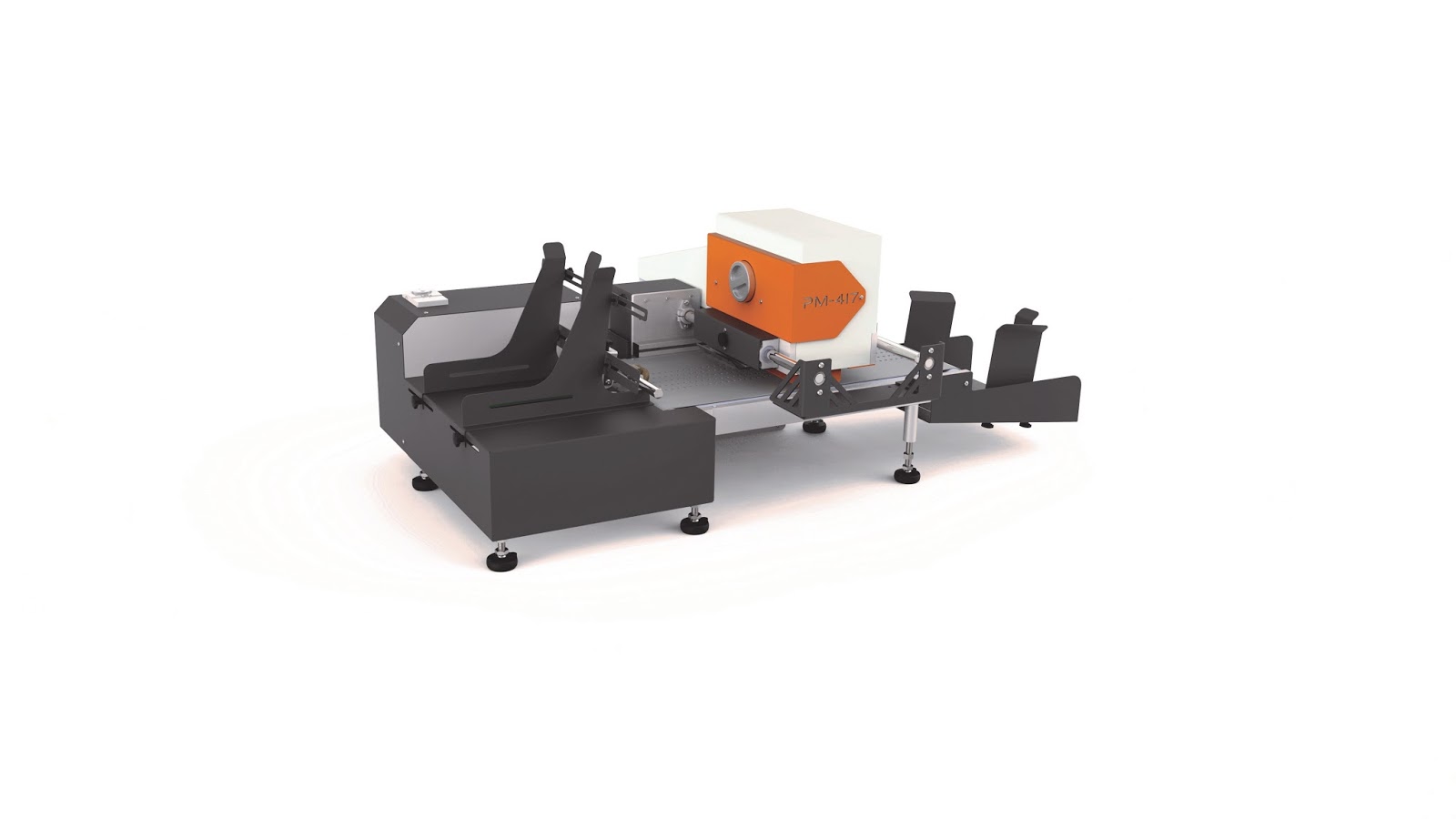
Suitable for various flat products such as plastic boxes, DDR, note book, aluminum foil bags, etc. It can be connected to production line to increase production.

LabelOn™ Mini are Tabletop Labeling Machines with smaller footprints designed for smaller businesses or start up companies who understand the struggle of placing labels to their products by hand. They can be widely used in different size bottles designed for smaller production run.